
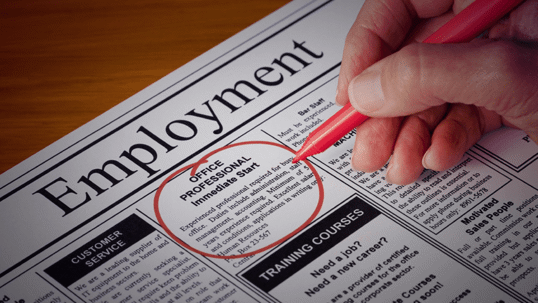
Adding a new employee to your business can lead to fresh ideas and stronger growth. In New York, however, every step in the hiring process—writing job ads, reviewing resumes, conducting interviews—can bring legal risks if not managed carefully. Even employers who aim for fairness can face hiring discrimination claims in NY if they use outdated practices or miss changes in the law. To protect your business, your team, and your reputation, you need a clear understanding of state and city requirements along with practical steps for avoiding both intentional and unintentional discrimination during hiring.
What Hiring Discrimination Laws Protect Candidates in New York?
Employers in New York must comply with federal laws such as Title VII of the Civil Rights Act, the Americans with Disabilities Act, and the Age Discrimination in Employment Act. These laws make it illegal to discriminate based on race, national origin, color, sex, religion, disability, or age. However, New York State and New York City laws extend even broader protections. The New York State Human Rights Law (NYSHRL) covers employers with as few as four employees and prohibits discrimination based on additional categories—including gender identity, sexual orientation, military status, and prior arrest or conviction records. The New York City Human Rights Law (NYCHRL) offers even wider coverage, sometimes applying to businesses with only one employee and protecting against discrimination based on factors such as caregiver status, unemployment status, and more.
Employers are also required to keep up with regular updates. New York’s anti-discrimination laws frequently change, so companies need to review their processes to make sure all hiring steps are compliant. Laws in this area evolve faster in New York than in many other states, with new protected categories or hiring restrictions added by legislative updates or city ordinances. Relying only on federal compliance can leave serious gaps that expose your business to unnecessary legal and reputational risk.
Businesses that fail to follow these requirements can face investigations, fines, lawsuits, public orders to retrain staff, or even the mandatory posting of “Notice of Discrimination” at the business. Agencies like the New York State Division of Human Rights and the NYC Commission on Human Rights actively enforce these laws. This makes it critical for all hiring managers to know what current laws require at every stage of the hiring process.
How Does Unintentional Discrimination Happen During the Hiring Process?
Many discrimination claims arise even when employers believe they are acting fairly. This is called “disparate impact”—when a neutral hiring policy or practice ends up having a disproportionately negative effect on a protected group. For example, requiring advanced degrees or certain physical abilities, unless truly necessary for the job, might block qualified applicants who could perform the job well. Roles that demand “recent graduates” or “native English speakers” can also risk excluding older applicants or those from different backgrounds, even if that wasn’t intended.
Unconscious bias often appears in resume screening or interviews. Interviewers may instinctively rate candidates higher if they share a similar background or communication style, sometimes without realizing it. Even automated tools can contribute to bias if they replicate past decisions or favor certain schools or neighborhoods. Tools that scan social media for “cultural fit” can unintentionally reveal race, religion, disability, or family status—details that are off-limits for legal decision-making.
Hiring teams can address these issues by developing structured interview questions, making evaluations based on objective criteria, and seeking input from multiple reviewers. Monitoring who applies, who advances, and who is hired also helps discover patterns that might indicate hidden bias. When businesses commit to regular training and legal review of their hiring process, they create a fairer playing field for every candidate and shield themselves from many common claims of hiring discrimination in NY.
What Pre-Employment Questions and Hiring Practices Could Trigger Discrimination Claims?
New York has strict limitations on pre-employment questions and practices that could result in discrimination claims. Employers may not ask about prior salary history—state and city law prohibit hiring managers from seeking or relying on past salary. “Ban-the-box” laws also prevent businesses from inquiring about criminal convictions until after a conditional job offer. Even questions about citizenship can cross the line unless directly required for the role by law or federal contract. Instead, asking whether the candidate is authorized to work in the United States is acceptable and non-discriminatory.
Questions about family status, age, disability, or religion are risky and inappropriate. Phrases like, “Do you have children?” or “What year did you graduate?” can be seen as attempts to get around anti-discrimination laws. Even asking whether candidates can work weekends could be problematic if not required for every employee and not handled equally. New York City further restricts the use of credit checks and certain medical inquiries. To stay compliant, hiring managers should maintain a written guide that lists all off-limits topics and review it frequently with staff who take part in interviews and screens.
When candidates voluntarily share protected information, the best approach is to redirect the conversation to job qualifications and document the interaction. Training helps teams handle these sensitive situations consistently, ensuring that the focus remains squarely on skills, experience, and fit for the job’s real requirements. By regularly updating your hiring checklist, your business reduces the risk of costly errors and reinforces a commitment to an inclusive, fair hiring process for all candidates.
How to Write Inclusive Job Descriptions and Widen Your Talent Pool
Writing a job description that avoids discrimination is one of the most effective steps to prevent claims in New York. Start with a careful analysis of the role’s true requirements rather than listing preferences that could exclude qualified candidates from protected groups. Use neutral, precise language. For example, instead of “strong male presence” or “young, energetic team,” focus on technical or core competencies, like “must be able to lift 40 pounds as part of daily duties” or “proven success managing multiple projects.” Every qualification included should be connected to actual business needs, not tradition or convenience.
Employers should also think strategically about where they advertise jobs. Posting only on internal websites, college alumni boards, or asking current employees to refer friends can unintentionally result in a less diverse pool of applicants. The law doesn’t require you to post everywhere, but it does encourage reaching a broad, varied audience. Consider also advertising on platforms designed for veterans, people with disabilities, and culturally diverse communities if the position warrants it. This approach not only reduces legal risk but is a practical way to access broader talent and bring new perspectives to your business.
Before releasing any job opening, companies in New York benefit from a legal review of job postings, especially when the language or requirements are outside of standard templates. Regular reviews of hiring materials—by either internal HR or with outside legal partners—help detect subtle word choices or requirements that could unintentionally discourage or exclude candidates protected by local and state law. These steps are both a shield against claims and a signal to the marketplace that your business values fairness and inclusion.
How to Structure Job Applications and Interviews for Legal Compliance
Compliant job application forms are a crucial foundation for avoiding hiring discrimination in NY. Applications should capture only essential, job-related information—excluding fields about marital status, family information, or medical history. When collecting data for Equal Employment Opportunity reporting, keep demographic questions optional and separate from the hiring decision-makers. Online application templates often include outdated or pre-filled questions, so businesses need to review their digital workflows along with paper forms.
Interview practices matter just as much. Creating a set of standardized questions ensures fairness to every applicant. Develop a short list of core questions to ask all candidates for a given job title, and base evaluation rubrics on what the job truly demands. Instead of relying on unstructured interviews, give each candidate a chance to answer about real work processes, handling deadlines, or resolving conflicts—this also creates documentation that can be reviewed if a claim ever arises.
Employers also strengthen their hiring practices by having more than one trained team member in the interview room. A panel reduces the odds that one person’s bias affects the entire decision. Documenting interview outcomes, feedback from each interviewer, and the specific basis for the final choice makes it easier to explain decisions to an outside agency if needed. In today’s climate, transparency in these processes is not just a best practice—it’s protection against discrimination allegations.
What Documentation Should New York Businesses Keep Around Hiring Decisions?
Robust documentation is one of the best defenses against hiring discrimination claims. Employers should keep a record of every place a job was posted, the criteria used for applicant screening, the questions asked at interviews, and how each candidate’s qualifications matched the core requirements. For every candidate declined, include clear notes that connect the reason to the job itself—avoid terms such as “culture fit” or “not the right personality,” which can be seen as code for prohibited bias under New York law.
New York and federal law generally recommend that businesses maintain hiring records for at least three years. This includes applications, interview notes, background check results, and all communications about the position. If your process involves automated tools or AI, save documentation of how those tools were evaluated for fairness and any bias audits conducted, as required by New York City law. Regular audits and periodic updates keep your process compliant as best practices shift over time.
Partnering with legal advisors to build or regularly review your documentation system can dramatically reduce risk. These steps demonstrate a business’s intent to run a fair process, making it easier to defend your decisions if claims or audits emerge. Investing in strong recordkeeping offers peace of mind for business owners and hiring managers alike, ensuring smoother operations and better long-term outcomes for your team.
How Can New York Businesses Train Hiring Managers to Prevent Discrimination?
Comprehensive training programs are a cornerstone of avoiding hiring discrimination in NY. State and city laws encourage regular anti-discrimination training—especially as new rules and protected statuses arise. Good programs do more than review off-limits topics. They teach how to spot unconscious bias, understand legal gray areas, and evaluate candidates objectively. Training should include practical examples relevant to your company’s size and industry, such as evaluating remote candidates or handling requests for accommodations.
Effective training goes beyond yearly sessions. When onboarding new team members or promoting individuals into hiring roles, provide targeted training addressing specific legal updates or recent business challenges. Encourage open discussion of real hiring dilemmas—this builds skills and confidence for when managers face unusual or borderline situations. Providing a channel for questions, feedback, and access to legal guidance helps ensure compliance becomes second nature rather than a checklist item.
Keeping careful attendance and content records for all training sessions not only builds a compliance shield, but also strengthens your business’s reputation for fairness. These records demonstrate to regulators that you take equal opportunity seriously and prepare your team to conduct interviews, screenings, and selection fairly. Ongoing education also acts as a team-building tool, as it fosters trust between employees and leadership around the hiring process.
What Are the Risks of Using AI, Social Media and Automated Tools in Hiring?
Many New York businesses use AI, applicant tracking systems, and even social media to speed up hiring. But these tools introduce their own compliance risks. For instance, NYC Local Law 144 now requires annual bias audits for any automated hiring system used for screening candidates or making decisions. Employers must tell candidates when they use such systems and offer information about the factors being assessed. Failing to do so can result in fines, agency investigations, and legal exposure—especially if the tool is found to have a “discriminatory impact.”
Social media screening creates another layer of risk. It is tempting to use LinkedIn, Facebook, or Instagram to learn more about candidates, but it’s easy to uncover protected characteristics such as religion, disability, or union activity simply by viewing a profile. Once information like this is seen, it is difficult to show it wasn’t part of the hiring decision. To minimize risk, businesses should develop clear policies on when, how, and by whom social media will be reviewed. Limit searches to what’s strictly necessary and document the legitimate, job-related reasons for any findings that impacted a decision.
To stay compliant, work with a legal advisor or HR partner to regularly review how your hiring tech works. Schedule routine bias audits and manual checks even for third-party tools. When using new hiring systems, make sure you can explain—step-by-step—how they help select the best candidate for the requirements, not for arbitrary or potentially discriminatory reasons. Communicate your tech use openly to job candidates in line with current local laws, further reinforcing your commitment to fairness and transparency in every hire.
The Value of a Legal Partnership for Avoiding Hiring Discrimination Claims
Preventing hiring discrimination is much easier with the support of a legal partner who knows the local landscape. Ongoing legal counsel can review your current hiring process, update your guidelines, help train your team, and keep you ahead of frequent changes to discrimination laws and best practices. This proactive support lets you avoid last-minute scrambles and guesswork, replacing them with steady, confident decision-making at every hiring stage.
A good legal partnership is not just about preventing lawsuits; it’s about empowering your business to find the best talent, serve a diverse customer base, and maintain a positive public image. At IX Legal, we’re committed to clear, practical advice tailored for the business realities of New York. From policy development to documentation audits and staff training, our team supports your business at every step, helping you address challenges before they turn into problems.
If your team wants confidence in your hiring process, now is the time to review your procedures with a legal professional. To schedule a confidential consultation or to get guidance tailored to your goals, contact IX Legal at (646) 760-3456. Together, we can build a hiring process that fosters inclusion, drives results, and keeps your business on firm legal ground.